SAP SRM
SAP Spend Management: SRM
When an organization has many suppliers, it is critical to manage them efficiently and build long-term relationships. Establishing long-term relationships allows for more ideas and feedback to flow freely, streamlined operations, cost reductions, and improved customer service.
SRM Defined
SRM stands for Supplier Relationship Management, which falls under supply chain management. The main purpose is to establish two-way relationships between organizations and suppliers via a web-based platform. It covers innovative methods to coordinate business processes with suppliers, so they are more productive. SRM is integrated with the vendor’s systems for greater efficiencies with interactions. With SAP Supplier Relationship Management (SAP SRM), organizations can examine purchasing history, shorten procurement cycles, and collaborate with partners all in real time.
SAP Spend Management: SRM
When an organization has many suppliers, it is critical to manage them efficiently and build long-term relationships. Establishing long-term relationships allows for more ideas and feedback to flow freely, streamlined operations, cost reductions, and improved customer service.
SRM Defined
SRM stands for Supplier Relationship Management, which falls under supply chain management. The main purpose is to establish two-way relationships between organizations and suppliers via a web-based platform. It covers innovative methods to coordinate business processes with suppliers, so they are more productive. SRM is integrated with the vendor’s systems for greater efficiencies with interactions. With SAP Supplier Relationship Management (SAP SRM), organizations can examine purchasing history, shorten procurement cycles, and collaborate with partners all in real time.
Key Capabilities are:
- Operational Procurement: Catalog management, invoice creation, processing purchase orders, and shopping cart management.
- Strategy Sourcing: RFx and bids management and centralized sourcing.
- Operational Contract Management: Centrally managing supplier contracts.
- Supplier Self-Service: Self-service capabilities for suppliers.
- Services Procurement: Managing services for procurement.
- Operational Reporting: With workforce mobility option.
The significance of SRM is that it automates and streamlines the processes for materials that are ordered frequently, optimizing procurement. It allows organizations to maintain long-term relationships with the right suppliers who have proven historically to be reliable partners. SRM supports supplier information management, compliance, risk management, and performance management.
Benefits of SRM
- Coordinates business operations
- Automates workflows
- Standardizes goods and services acquisitions
It is important to note the difference between SRM and procurement. SRM focuses on contracts and relationships, while procurement focuses on purchases, like ordering, invoicing, or paying. SAP has a cloud-based B2B sourcing and procurement application called Ariba where buyers and suppliers can do business in a networked structure. It provides capabilities such as supplier management, strategic sourcing, supply chain, procurement, services procurement and external workforce, and selling and fulfillment.
Vendor partners offering SRM include apexanalytix, SAP, smartShift.
Key Considerations for SAPinsiders are:
- Increase Supplier Compliance with Sustainable Business Networks. Discover why accurate records of supplier compliance in procurement and ongoing supplier management activities is an important activity.
- Simplify Supplier Qualification with SAP Supplier Lifecyle Management. Learn the functionality of how to simplify and foster supplier relationships, by reading this article.
- Understanding the Key Aspect of Supply Chain Visibility. Kumar Singh, SAPinsider describes what supply chain visibility is, how organizations struggle, and explains one method to kickstart your approach.
627 results
-

Your SAP Peers Want to Hear from You!
In talking with SAPinsider members we’ve learned that many of you have a real desire to share your strategic insights, business best practices, functional tips, and road-tested advice with your SAP peers. SAPinsider wants to harness that knowledge and catapult it out to the larger SAP community by partnering with you, our readers. We’re currently…
-

Members Who Inspire | Akash Kumar
Name: Akash Kumar Job Position: Solution Architect Company: HCL LinkedIn: https://www.linkedin.com/in/akashkumar1987/ Twitter: https://twitter.com/akashkumar1987 How did you first hear about SAPinsider? I first came across SAPinsider at the SAPinsider booth in the 2018 SAP SAPPHIRENOW Conference, which was my first ever SAPPHIRE event and have been a member since. If you had four more hours in your day,…
-

 Premium
SAPinsider 2022 Vegas : Data & Analytics Session Themes
SAPinsider events have been the most widely attended, independent networking and knowledge-sharing events in the SAP technology ecosystem for decades. After taking a hiatus from in-person events for a couple of years, due to the pandemic, SAPinsider was back with a bang this year. SAPinsider 2022 saw 3000+ members in attendance in Vegas in July…
-
- Premium
The Increasing Importance of SAPinsider DART Methodology
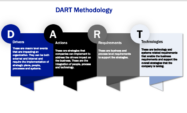
SAPinsider will be publishing Inventory Management and Optimization research reports in November 2022. If you are familiar with our research, you know that we use a proprietary framework called DART, which stands for Drivers, Action, Requirements, and Technology, to conduct our research. While we explain the methodology extensively in our reports and webinars, we believe…
-

Leverage ease of compliance, scalability to make the case for finance transformation
Around 25 percent of SAP customers globally have moved to SAP S/4HANA Finance and around 24 percent are currently implementing the solution, according to research from SAPinsider (note: Mastering SAP and SAPinsider are part of the Wellesley group of companies). SAPinsider’s Benchmark report, SAP S/4HANA Finance State of the Market 2024, surveyed 124 SAP customers…
-

Finding the Right Solution for Asset-heavy Industries
Enterprise asset management (EAM) lives and thrives on foolproof planning and scheduling. That’s a given – but today, we live in a world where there aren’t many givens regarding outside forces affecting supply chains and operations. This is especially true for asset-heavy industries such as energy and infrastructure. Underinvesting in planning and scheduling can lead…
-

Maintaining High-Quality Standards in SAP S/4HANA Implementations
Implementing SAP S/4HANA successfully requires meticulous planning, risk-based testing, automation, comprehensive validation, performance optimisation, data integrity assurance, security checks, continuous feedback, thorough documentation, and active stakeholder involvement, as advised by Tritusa’s expert consulting team.
-

SAP SuccessFactors Talent Intelligence Hub: Capabilities & Benefits
Rizing announces its new Jump Start to Talent Intelligence Hub service this spring, designed to assist SAP SuccessFactors clients in implementing the Talent Intelligence Hub to optimize skills and attributes across various HR modules.
-

- Premium
Simplifying Execution of Maintenance and Inspections with SAP Dynamic Forms
Following last year’s fully subscribed and top-rated session introducing SAP Dynamic Forms, hear directly from SAP’s Global Product Manager how SAP Dynamic Forms can support both simple and complex use cases, while simultaneously eliminating paper and non-interactive attachments. Whether they are for inspections, job safety, or to capture important operational data – forms are an...…
-
DyFlex and Bluetree Join Forces to Deliver Unmatched SAP Capability
Bluetree has joined forces with DyFlex Solutions, bringing together two award winning SAP partners to create the largest independent SAP provider in Australia. This union combines our strengths, enhances our collective expertise and unlocks new opportunities for customers across the region. Like Bluetree, DyFlex is highly awarded, locally led and known for delivering enterprise grade outcomes with…
Related Vendors


Your request has been successfully sent