SAP Fraud Management
What Is SAP Fraud Management?
Fraud can be devastating to a business, leading to financial and legal consequences. Fraud management seeks to identify potential areas for fraud across business processes both internally and externally with partners. SAP Fraud Management looks at potential for fraud related to SAP customers. The SAP tool related to fraud management is called SAP Business Integrity Screening.
What Is SAP Fraud Management?
Fraud can be devastating to a business, leading to financial and legal consequences. Fraud management seeks to identify potential areas for fraud across business processes both internally and externally with partners. SAP Fraud Management looks at potential for fraud related to SAP customers. The SAP tool related to fraud management is called SAP Business Integrity Screening.
Governance, Risk, and Compliance (GRC) teams are often tasked with managing fraud, and they deploy many standard GRC strategies to deal with fraud risk. For example, they may put fraud controls into place as well as collect process and transactional data for fraud analysis. Fraud management often integrates into other areas of GRC, such as the broader Risk Management.
Tools for fraud management look to centralize fraud risk data and automate fraud screening and analysis. Fraud management tools may have the following capabilities, among others:
- Exception detection and compliance checks
- Detection strategy calibration
- Exception-based scenario analysis
- Business partner screening
- Automated workflows and notification
- Continuous Controls Monitoring (CCM)
- Integrity screening.
Many risk detection and management tools also feature fraud capabilities. For example, Appsian Security’s threat detection and response solutions seek to identify fraud potential from transactional data. Similarly, Fastpath offers tools for risk quantification and transactional controls that can help manage fraud risks. A company like RSM can help organizations establish fraud management programs, including best practices for fraud prevention and detection.
Key Considerations for SAP Fraud Management
- GRC and fraud management teams are stretched — in our most recent research into the state of the GRC market, we found they have more responsibility but aren’t growing along with that responsibility. The leading companies in our GRC research are utilizing automation to optimize their GRC resources. For fraud management, this could mean automating controls and detection.
- Fraud risk analysis can also be done at the user access level. For example, Lundbeck implemented a Security Weaver tool for segregation of duties analysis to identify the potential for users to commit fraud. Consider how you can integrate fraud management across GRC and security functions.
- Centralize your fraud risk data. You are monitoring areas throughout the business for fraud risk. To best manage that fraud risk, you need a single view of where fraud potential exists and which risk holds the most potential harm for the company. This can help your organization prioritize which threats need to be addressed most imminently.
862 results
-

Origin reduces support tickets by 70%, automates HR processes, and enables teams to focus on work that matters
Origin, one of Australia’s leading energy companies, relies on SuccessFactors for its HR software. But they needed to customize various processes, optimize Origin-specific journeys, and reduce their monthly help-desk ticket volume (originally 7,000 tickets a month for various tasks).
-

MDO Fuse for SAP
This datasheet introduces MDO Fuse for SAP, which unifies SAP and external data into one trusted source. With APIs, low-code automation, and AI-driven quality checks, it streamlines data flows, ensures governance, and empowers users to act quickly. The result is agile, compliant, and cost-effective data management that drives digital transformation. View the datasheet
-
Managed Services – Lifeline support for your BusinessObjects deployment
Get proactive, round-the-clock BusinessObjects management from certified specialists—ensuring smooth operations and zero downtime without hiring in-house staff. Why Managed Services? – We’re there when you need it Running BusinessObjects without dedicated support can leave your team overwhelmed and your system vulnerable. Our Managed Services act as a lifeline—giving you expert help when you need it,…
-

Data Optimization for Efficient Supply Chain Operations with SNP Group
Its team of SAP experts help companies to implement suitable SAP solutions in a customized way which provide end-to-end coverage to handle sourcing, manufacturing, quality management, and distribution complexities.
-
AI-Powered Data Governance for Smart Maintenance
Discover how PiLog’s AI-Powered Data Governance helps transform maintenance, boost uptime, and streamline asset management. Find out more
-

Singapore Firms See Solid AI Gains with Potential Barriers
Singaporean companies are rapidly increasing AI investments, averaging S$18.9 million this year with a 16% return, projected to rise to 29% by 2025. However, they face significant challenges in workforce training and data integration readiness.
-

When Customisations Turn Catastrophic: How to Future-Proof Your Next Government ERP Journey
In theory, enterprise resource planning (ERP) systems help create a more transparent, efficient, and accountable environment. However, the reality is far from this. ERP systems in most government departments become a catch-all for essential services to support core missions. This has led to a massive proliferation of customizations and modifications. They are often developed and...…
-
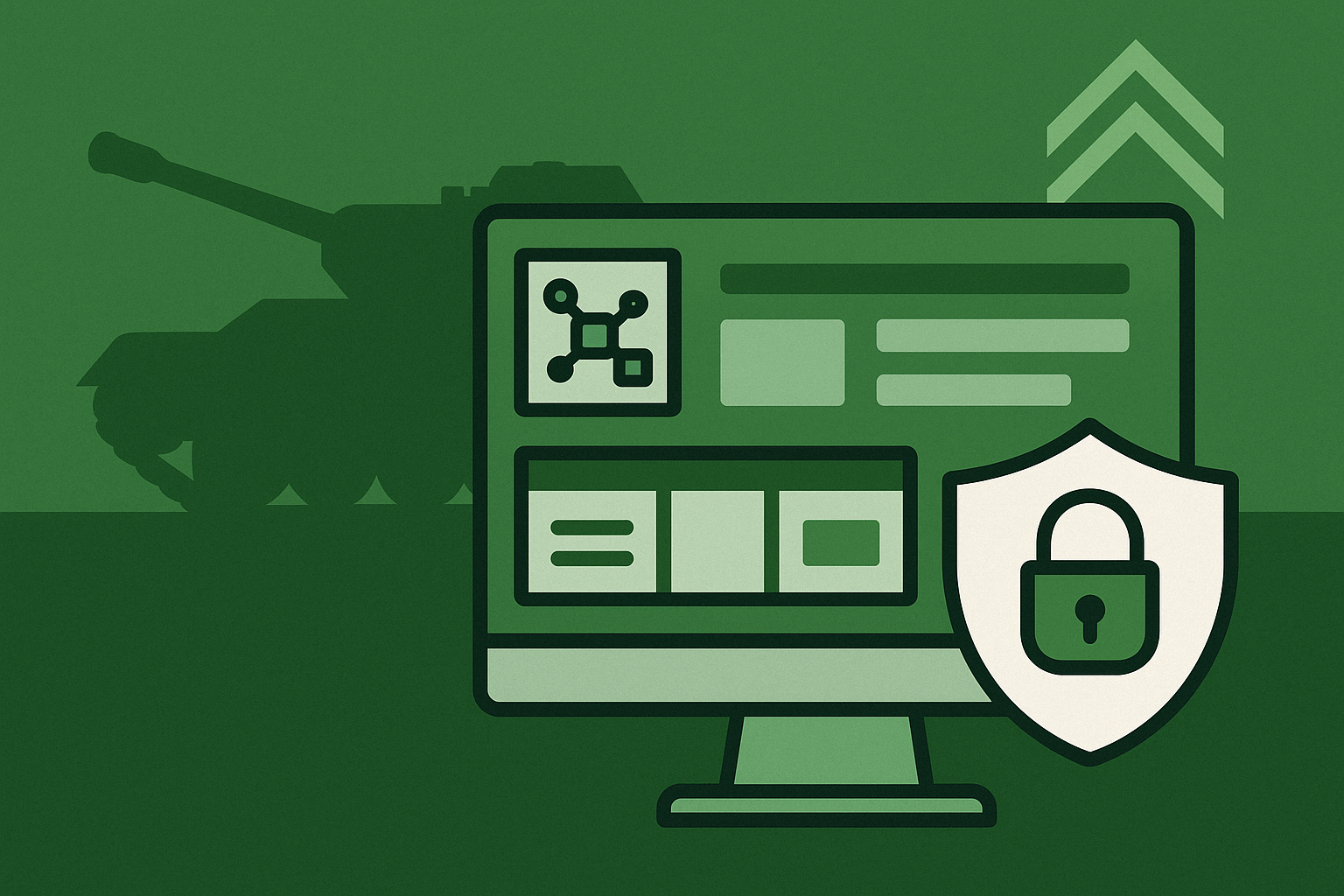
Modernize Army ERP Systems with a Secure Low-Code Agility Layer
Enterprise resource planning (ERP) systems are integral to streamlining operations and centralizing data. But their rigid architecture can make them difficult to adapt to modern technologies or tailor to unique or evolving mission requirements. And upgrading ERP systems can be a lengthy, disruptive, and costly process. The Appian Platform is designed to develop large-scale, complex,...…
-

Nine Tips for Dealing with Zero Decimal Place Currencies
The U.S. dollar, like many of the world’s currencies including the euro, uses two decimal places, which – not surprisingly – is the default setting for R/3. When you roll out your SAP functionality across geographies, however, you may run in trouble coping with currencies with other decimal-place demands. The author provides tips to help...…
-

Use Shelf-Life Planning to Lower Stockouts For Inventory With Expiration Dates
Most inventories used in the supply network planning run have expiration dates. You can use information relative to inventory expiration dates and future demand needs to reduce future stock-outs via additional replenishment orders. Although shelf-life propagation and associated alerts are fully described in SAP’s standard documentation, you can also incorporate shelf-life information into your standard...…
Related Vendors


Your request has been successfully sent