Management
Recessions pose several risks that can harm your SAP project. Fortunately there are steps you can take to mitigate these risks and protect your project, even in today's economy.
The economy is famously susceptible to the domino effect. The housing bubble bursts, which in turn ruins certain financial instruments and endangers the ability of major banks to loan money. Unable to borrow, some big companies topple, damaging their clients, suppliers, and creditors.
Even the surviving companies feel the pain of a recession. Budgets shrink as “unnecessary” business expenses are eliminated. That reality has left many SAP project managers struggling to cope with the risks associated with a recession.
Fortunately, says Deloitte Consulting Principal Ian Wright, project managers can survive — and even thrive — during a recession. He offers several tips for SAP project managers to consider as they make the most of a bad economy.
Understand the Risk Factors
While many economists predict the recession is at or near its end, Wright points out that software companies typically lag behind the overall economy (Figure 1). The pain points associated with the recession may still have an impact on your projects for some time.
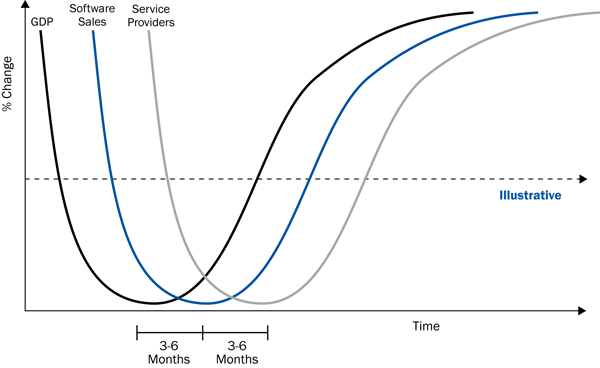
Figure 1
A simple illustration of recession cycles
Wright believes the first step in coping with a recession is to understand the many ways it can affect your SAP project. While some risks are straightforward and easily predicted, others can be more difficult to anticipate.
“During an economic hardship, it’s the unexpected things that hit you the hardest,” says Wright.
Understanding the following risk factors can help you stay in front of potential issues:
Risk: Your software, hardware, and services vendors may struggle to make ends meet
The worst-case scenario is that one or more of your vendors will go out of business, leaving you without support for your technology investments and in need of a new solution immediately. While large vendors are unlikely to go out of business, smaller vendors could be at risk. Wright points out that the current recession has already claimed several of these companies.
That risk may extend beyond what most would anticipate, as struggles by businesses one layer removed from your SAP system can also have an impact on your project. For example, a struggling service provider may stop paying subcontractors that are working on your account. Your organization could be faced with the prospect of paying those subcontractors out of pocket — or losing them.
Even if your software, hardware, or service vendors stay in business, they may be suffering on the inside. Pay cuts, layoffs, and other demoralizing actions at those companies may make it more difficult for you to secure reliable, competent service as employees of those businesses head for the door.
Risk: Reduced budgets do more than just eliminate the fluff
Project managers are always asked to do more with less, especially in a recession. Shrinking project budgets do more than just shrink the scope of a project, according to Wright. In some cases, reduced budgets can have unforeseen consequences down the road.
For example, you may be asked to forego significant staffing from business users who need to focus on their primary jobs first. This can extend the project timeline, which in Wright’s view increases the chances that the project will be spiked.
“The longer the project takes, the greater chance there will be an external event that impacts the project,” he says. “Either an executive changes or there’s a budget review — something will happen that will call in question the project’s value.”
Risk: The river of capital dries up
The recession has forced many companies to focus intently on maximizing the flow of cash into the business. Loan money is more scarce than ever in recent memory, which increases the scrutiny on cash revenues and expenditures.
The focus on cash may reduce the discretionary spending available to project managers (think pizza for team dinners). It may also force a last-minute change in the requirements of your project.
Risk: Your business case is no longer air-tight
The past decade or so has seen a dramatic rise in technological understanding among CFOs and other business side representatives that control project purse strings. In a bad economy, project managers need to be much more diligent when crafting a proposal or budget request.
“CFOs are a lot more on the ball around tech projects than they used to be,” says Wright. “There are several things that will send up their antennae.”
For example, it is no longer acceptable to cram money for pet projects into a nebulous IT project and blame it on the impending IFRS conversion. Project managers can also forget about new implementations aimed at simply keeping up with the latest technology or keeping pace with the competition.
Risk: The hidden effect on project or IT staff
Recessions typically create a mood of general anxiety that can extend beyond the four walls of your organization. Every person handles anxiety differently and there is always a danger that your project or staff members will allow their anxiety about the recession to seep into the workplace.
Recession anxiety can lead to several problems — including increased office politics, worry about job transitioning at the end of a project, increased stress levels, and other issues. Some employees may be dealing with reduced total incomes if their spouses have lost their jobs, increasing the pressure on them to succeed.
For project managers, these people-based elements can have a number of different impacts. In some cases, staffers may clamor to get a spot on a project they view as a safe harbor in a storm. In other cases, the opposite may be true and you’ll encounter difficulty staffing your project.
Deal with Risks One Phase at a Time
The risks associated with a recession can impact your project from several different directions. An effective way to anticipate and deal with these risks, according to Wright, is to segment risk mitigation by project phase (Figure 2).

Figure 2
Tackling project risks one phase at a time
Planning Phase
A well-planned project is typically a successful one, and Wright offers several tips to consider for mitigating risks during the planning phase. Comparing price quotes to current market rates (not historical rates), building a contingency budget for unexpected events, and negotiating prices near the end of the quarter — when sales reps are under pressure to close deals — can all help minimize the threats of the economy.
While a recession may seem like a great time to get a deal on project-related software, hardware, or services, Wright warns that some vendors may actually increase prices during a competitive bid process to compensate for the effort required to win the bid. In some cases, companies are better off negotiating with trusted providers that may already be giving them a good rate.
Wright suggests interviewing project team members who may have connections with vendor companies. Other in-house resources include your company’s procurement office, which may have the best chance of securing a good price or rate.
“A lot of project managers think they’re brilliant and will be able to negotiate those things themselves — but they should rely on the professional negotiators in procurement,” says Wright.
Project managers should also take extra precautions when it comes to project staff. The planning period is a good time to prepare incentives, create a support structure for employees struggling outside the workplace, and establish a clear plan for transitioning employees back to their former roles once the project is complete.
Mid-Project
Because several of the risk factors mentioned previously can affect a project that’s already in progress, it’s more important than ever for project managers to maintain open lines of communication with project staff and company leadership.
For example, project managers should regularly monitor budget usage and offer reports of the total budget estimates to the steering committee. Tamping down “scope creep” is a critical element of keeping your budget in line, according to Wright.
Project managers should also regularly review the landscape of software, hardware, or service providers. This can help you adjust should your selected provider suffer hardship or go out of business.
Having a solid transition plan in place during this phase can also help guard against future issues as the project nears its end. Some providers may offer extra incentives for those willing to sign multi-layered agreements.
“The important thing during the recession is that if you’re thinking about bringing in external help, you should think about bundling and getting a deal,” says Wright.
Go-Live
A project rollout is stressful under normal circumstances; however, recession conditions require more attention from project managers. Final budgets must be prepared and presented to company leadership, and project managers should invoke service-level agreements and establish commitments from vendors for the go-live events.
The go-live phase is also where time spent planning for the project team’s transition can pay off. Employees may respond differently to the end of a project, depending on their age, job status, and several other factors. Project managers should be ready to provide everything from food to counseling to non-project related chores to keep the project team committed, says Wright.
Support
Managing your project staff is especially critical during the support phase, says Wright. Closing the project budget, managing vendor contracts, and transferring ownership of the project technology to operations are necessary tasks, but it’s critical that your project staff — and those that work alongside them — knows what happens next.
“The main thing is to make sure it’s planned for, and you’re not sending your six financial people back to a job where they’re no longer needed. You have to make sure people are comfortable, and they know where they’re going, and how it’s all going to work,” says Wright.
Look for Opportunities
While it may seem like the project manager’s job during a recession is simply to mitigate or prepare for risk factors, Wright points out several opportunities a bad economy can generate.
For example, the talent pool available to project managers can increase as the competition scales back on hiring. Recent college grads may no longer command the high salaries and perks of just a few years ago, and many successful employees of the baby boomer generation are postponing retirement in order to boost their savings. Talented consultants and service providers may also seek the security and safety of a more conventional job — increasing a project manager’s chances of bringing knowledge in house.
“You will see a lot of people who say they just don’t want to be on the road anymore,” says Wright. “That’s a real opportunity to pick up people with real SAP experience.”
Other opportunities include the ability to lock in a systems integrator’s top team for a given project, the willingness of outsourcing firms to sign long-term contracts, and the ability to negotiate price concessions in exchange for expanded service.
Anticipate the Upturn
As the economy rebounds (some economists say that process has already begun), there are other things for project managers to keep in mind. For example, a resurgent job market could lead to some staff attrition, and it may become more difficult to find the right resources for future projects. Ultimately, however, a project manager should have an easier time navigating some of the thorniest issues of a recession.
“There is always the happy stuff. People’s home lives get better, there’s more money on table, and there are fewer personal stress issues,” says Wright.
Davin Wilfrid
Davin Wilfrid was a writer and editor for SAPinsider and SAP Experts. He contributed case studies and research projects aimed at helping the SAP ecosystem get the most out of their existing technology investments.
If you have comments about this article or publication, or would like to submit an article idea, please contact the editor.