SAP SOX Compliance
What Is SOX Compliance?
The Sarbanes-Oxley Act (SOX) of 2002 requires financial transparency by U.S. public companies, ensuring their data is secure and accurate. Drafted by Congressmen Paul Sarbanes and Michael Oxley following several U.S. corporate and financial scandals, SOX compliance means having a formalized system for internal controls — one that provides full financial transparency.
In a blog post, the criticality of SAP governance, risk management, and compliance (GRC) for SOX compliance is explored. The author points out that two sections (Section 302 and Section 404) are the most important and relevant for SAP GRC and finance users.
What Is SOX Compliance?
The Sarbanes-Oxley Act (SOX) of 2002 requires financial transparency by U.S. public companies, ensuring their data is secure and accurate. Drafted by Congressmen Paul Sarbanes and Michael Oxley following several U.S. corporate and financial scandals, SOX compliance means having a formalized system for internal controls — one that provides full financial transparency.
In a blog post, the criticality of SAP governance, risk management, and compliance (GRC) for SOX compliance is explored. The author points out that two sections (Section 302 and Section 404) are the most important and relevant for SAP GRC and finance users.
An SAP SOX compliance checklist should address the following:
- Segregation of duties
- SAP GRC monitoring
- Safeguard SOX audit trails against emergency access
- Automate SAP audit reporting
Further Resources for SAPinsiders
Accounting & Finance Expands Its Influence. In this article, learn how UGI Utilities developed a strategic roadmap to better anticipate internal and external demands on the business — including regulations such as SOX. The utility shares how using BlackLine and its task functionality provides intuitive controls for SOX compliance.
Beyond SOX: Addressing non-financial risks through SAP configuration and sound supporting processes. Often, compliance is a focal point during SAP implementation to ensure compliance with financial reporting and regulations, such as SOX. However, there are optional SAP controls that could provide even more value to companies’ SAP system and supporting processes. In this session, Steve Biskie from RSM shares how to minimize and mitigate operational and strategic risks through SAP configuration. Understand who in the organization should be involved in recommending and validating control changes, and how to set up an appropriate cross-functional team to ensure decisions are sound and don’t introduce other risks.
Bridging the Cybersecurity Gap in IT General Controls (ITGC). Compliance with regulations like SOX often require a set of controls in place to mitigate risks to the integrity of financial reporting. Current ITGC testing performed by internal and external auditors is only focused on one slice of access risk. In this session, Brian Tremblay from Onapsis shares why it’s critical to understand the threats that exist to your SAP system beyond the current ITGC scope and how they relate to compliance with SOX.
A vendor that can help SAP customers with SOX compliance is Appsian Security. The provider offers a single platform for automating how users secure user identity, govern access, detect and prevent fraud, and demonstrate compliance with SOX, the General Data Protection Regulation, and more across critical business applications.
965 results
-

Navigating COVID-19 Payroll Tax Changes
The COVID-19 (Coronavirus) outbreak has had a widespread impact on business operations nationwide. With thousands of employees unable to go into the office or without a job at all due to the temporary shutdown of many businesses, the unemployment rates have skyrocketed and the stock market has taken a dive. Read this article to learn…
-

High Profile Vulnerabilities in SAP Applications and How to Be Prepared
Enterprise software is complex due to its nature and interconnectivity to business processes. On top of that, software is created by humans, which means that vulnerabilities are inevitable. Those affect SAP technology will ultimately impact the business and should be properly managed from a risk perspective. This article, written by a cybersecurity expert, explains a…
-

Ascend Performance Materials Achieves 99.9% Data Accuracy and Massive Time Savings with Supply Chain Automation
Manufacturing organizations today are under increasing pressure to move faster, reduce errors and risk, and be more efficient. For a company such as Ascend Performance Materials — which produces chemicals, fibers, and plastics for the automotive, electronics, textile, and consumer industries — reducing risk is paramount. The business impact of having bad data could be…
-

Why Tax Departments Need to Build Technology Roadmaps
As governments continue to introduce legislation that gives them visibility into companies’ data, systems, and processes, tax leaders are pressured to create their own digital transformation and respond with system changes that improve compliance, planning, and audit work. However, tax departments have historically competed for technology dollars. Developing a technology roadmap can help the tax…
-

 Premium
Why SAP customers need DevSecOps now more than ever
Setting DevSecOps goals are a key component for aligning mission-critical application functionality with business needs. However, these goals create challenges for teams supporting SAP mission-critical applications. With multiple technologies, architectures, and a lack of unified development sets, SAP application developers handle changes through manual coding and change processes. Errors in custom code can create quality,…
-

- Premium
Indirect Tax: A new engine for automation in global finance
The rapid pace of sales and use tax reform and government-mandated changes in VAT and GST requirements are impacting the finance automation priorities of businesses around the world. Please join us for this fresh session to learn how you can leverage SAP solutions for global sales and value-added tax determination, filing, and real-time reporting across…
-

New Security Platform at Lundbeck Helps Ensure Business Continuity and Eliminate Risk of Fraud
As one of the most highly regulated industries, the pharmaceutical industry takes an aggressive approach to supply chain risk management. Employing a global security system that supports access governance and authorization areas is critical in preventing fraud and maintaining business continuity. A case study on Lundbeck, a biopharmaceutical company based in Copenhagen, details how it…
-
How Identity and Access Management Technology Is Supporting People Power
As more organizations operate in a remote work environment, effectively controlling access to corporate resources becomes imperative. Automated identity and access management (IAM) along with strategic human decision-making are critical to protecting resources and data. At the same time, IAM automation needs to be integrated into business policies and processes, advises James Roeske, CEO of…
-
- Premium
Delivery Hero’s Internal Audit Function Delivers an Amazing Stakeholder Experience
If your organization is dispersed throughout the globe, you may face similar auditing challenges as Delivery Hero, a €2.8 billion firm that operates local online food ordering and delivery services in more than 50 countries. Delivery Hero decided to overhaul its internal audit (IA) function to align it with strategic objectives better to meet global…
-
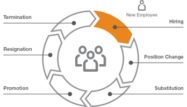
Shift to Remote Work Underscores Need for a Robust Identity and Access Management Program
As a result of the COVID-19 pandemic, remote workforce models are likely here to stay. This shift magnifies the importance of organizations guaranteeing that only authorized individuals can access their network and data. The best way to avoid unauthorized users from entering SAP systems is through a robust and automated identity and access management (IAM)…
Related Vendors

Your request has been successfully sent