SAP Warranty Management
What Is Warranty Management?
When a customer purchases a product, the manufacturer often guarantees product performance and quality with a warranty for a specific time period. Should the product fail during that time period and meet the warranty criteria, the manufacturer will refund, repair, or replace the product. Warranty management is the process of tracking customer and product data and processing warranty claims.
What Is Warranty Management?
When a customer purchases a product, the manufacturer often guarantees product performance and quality with a warranty for a specific time period. Should the product fail during that time period and meet the warranty criteria, the manufacturer will refund, repair, or replace the product. Warranty management is the process of tracking customer and product data and processing warranty claims.
SAP Warranty Management Solution
SAP has its own Warranty Management solution within SAP Automotive. According to SAP, “SAP Warranty Management is the SAP solution for processing claims and managing corresponding master data. The solution covers the complete supply chain, linking customer (reimbursement) and vendor (recovery) processes. SAP Warranty Management handles the financial aspects of claims and integrates related processes (e.g., return parts logistics or quality improvements.)”
An efficient warranty management process and system can lead to several benefits:
- Innovations in product development. Warranty claims highlight quality issues that can lead to improvements in product development.
- Enhanced customer experience. A hassle-free warranty claims process helps retain customers while also providing opportunity to upsell and cross-sell other products and services.
- Accurate master data across business units. Because warranty touchpoints can cross several business units, a unified warranty system ensures customer, product, and warranty data are uniform and accessible across the enterprise.
Key Considerations for SAPinsiders
- Boost Manufacturing Agility and Flexibility with SAP HANA. Watch this webinar panel discussion to understand why it has become clear to manufacturers that digital transformation can help maintain business continuity and increase agility when introducing new products, address supply chain constraints, and meet fluctuating demand. Learn how SAP HANA can support the goals of operational agility and optimization, supply chain management, and pricing and warranty planning. Guest panelists include Sebastien Boria (Computing Architect, Airbus), Dr. Tom Bradicich (VP, HPE), and David Austin (Senior Engineer, Intel).
- Intelligent Supply Chain Management with SAP Cloud Platform. In this article, learn how to optimize your supply chain process through a scenario identifying inconsistent data readings at run time and forecast failures. By utilizing SAP Cloud Platform, Intelligent Equipment Inc. (a compression manufacturer referred to in the scenario) is able to keep its business running smoothly and avoid downtime. As part of the scenario, warranty management plays a role in resolving customer issues.
722 results
-
Managed Services – Lifeline support for your BusinessObjects deployment
Get proactive, round-the-clock BusinessObjects management from certified specialists—ensuring smooth operations and zero downtime without hiring in-house staff. Why Managed Services? – We’re there when you need it Running BusinessObjects without dedicated support can leave your team overwhelmed and your system vulnerable. Our Managed Services act as a lifeline—giving you expert help when you need it,…
-

Data Optimization for Efficient Supply Chain Operations with SNP Group
Its team of SAP experts help companies to implement suitable SAP solutions in a customized way which provide end-to-end coverage to handle sourcing, manufacturing, quality management, and distribution complexities.
-
AI-Powered Data Governance for Smart Maintenance
Discover how PiLog’s AI-Powered Data Governance helps transform maintenance, boost uptime, and streamline asset management. Find out more
-

Singapore Firms See Solid AI Gains with Potential Barriers
Singaporean companies are rapidly increasing AI investments, averaging S$18.9 million this year with a 16% return, projected to rise to 29% by 2025. However, they face significant challenges in workforce training and data integration readiness.
-

When Customisations Turn Catastrophic: How to Future-Proof Your Next Government ERP Journey
In theory, enterprise resource planning (ERP) systems help create a more transparent, efficient, and accountable environment. However, the reality is far from this. ERP systems in most government departments become a catch-all for essential services to support core missions. This has led to a massive proliferation of customizations and modifications. They are often developed and...…
-
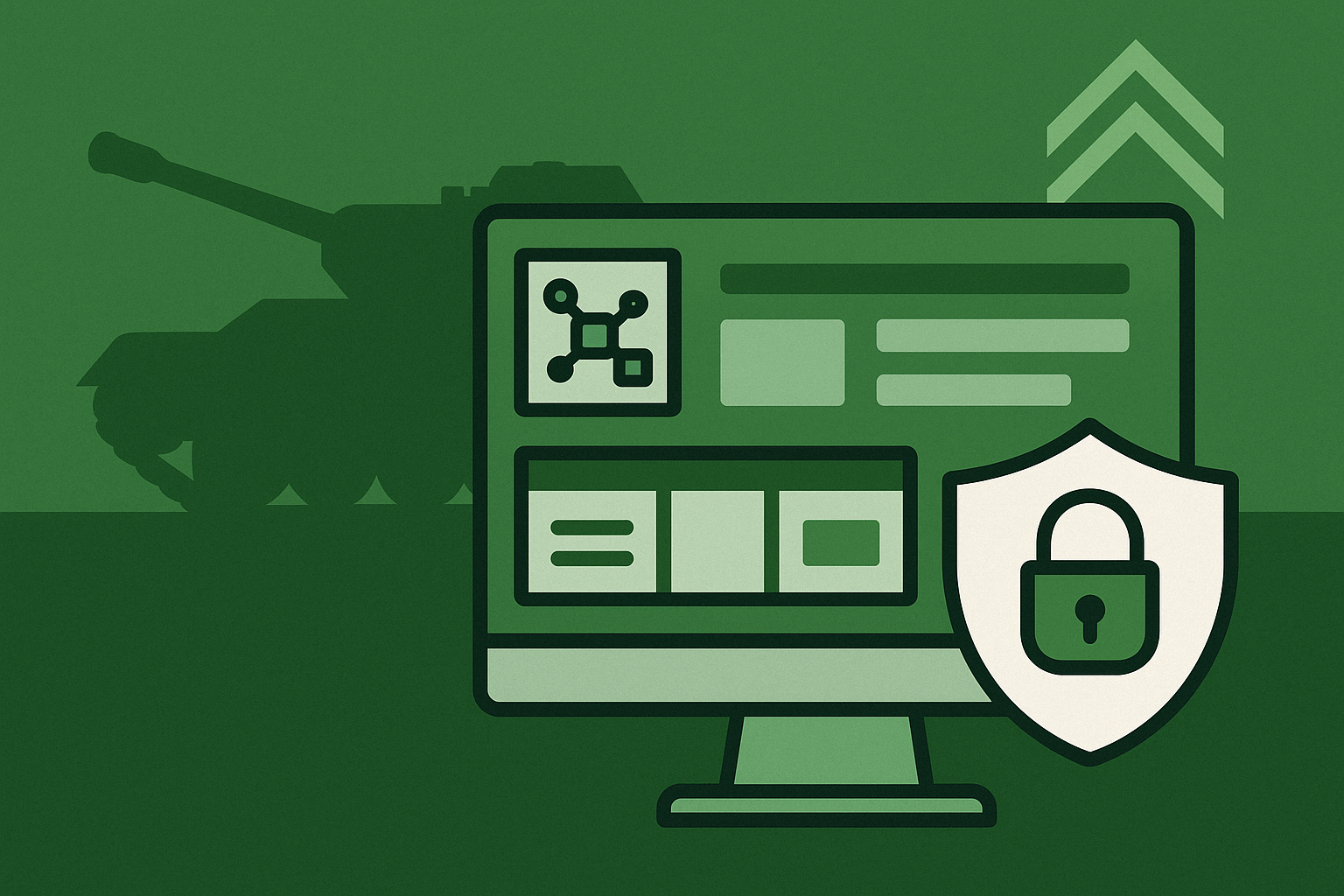
Modernize Army ERP Systems with a Secure Low-Code Agility Layer
Enterprise resource planning (ERP) systems are integral to streamlining operations and centralizing data. But their rigid architecture can make them difficult to adapt to modern technologies or tailor to unique or evolving mission requirements. And upgrading ERP systems can be a lengthy, disruptive, and costly process. The Appian Platform is designed to develop large-scale, complex,...…
-

Nine Tips for Dealing with Zero Decimal Place Currencies
The U.S. dollar, like many of the world’s currencies including the euro, uses two decimal places, which – not surprisingly – is the default setting for R/3. When you roll out your SAP functionality across geographies, however, you may run in trouble coping with currencies with other decimal-place demands. The author provides tips to help...…
-

Use Shelf-Life Planning to Lower Stockouts For Inventory With Expiration Dates
Most inventories used in the supply network planning run have expiration dates. You can use information relative to inventory expiration dates and future demand needs to reduce future stock-outs via additional replenishment orders. Although shelf-life propagation and associated alerts are fully described in SAP’s standard documentation, you can also incorporate shelf-life information into your standard...…
-

Meeting Resistance to Implementing SAP Solution Manager? Here’s What to Do
Manager/Project ManagementHere are five tips on how to explain why SAP Solution Manager should be considered an advantage to an organization, not a burden or the source of additional project cost. Also, learn how to structure the implementation of SAP Solution Manager once you have received approval. Key Concept SAP Solution Manager is a tool...…
-

ERMS Under the Hood: Configuration Tasks and the Service Manager Profile
See how E-Mail Response Management System (ERMS), a standard mySAP CRM tool, allows you to route your incoming emails using Rule Modeler and Category Modeler. By using predefined rules with ERMS, you can set up your system to handle these emails without using ABAP coding. Also learn how ERMS can reply to certain types of...…
Related Vendors


Your request has been successfully sent